
Health //
What You Need to Know About HIV Self-Testing
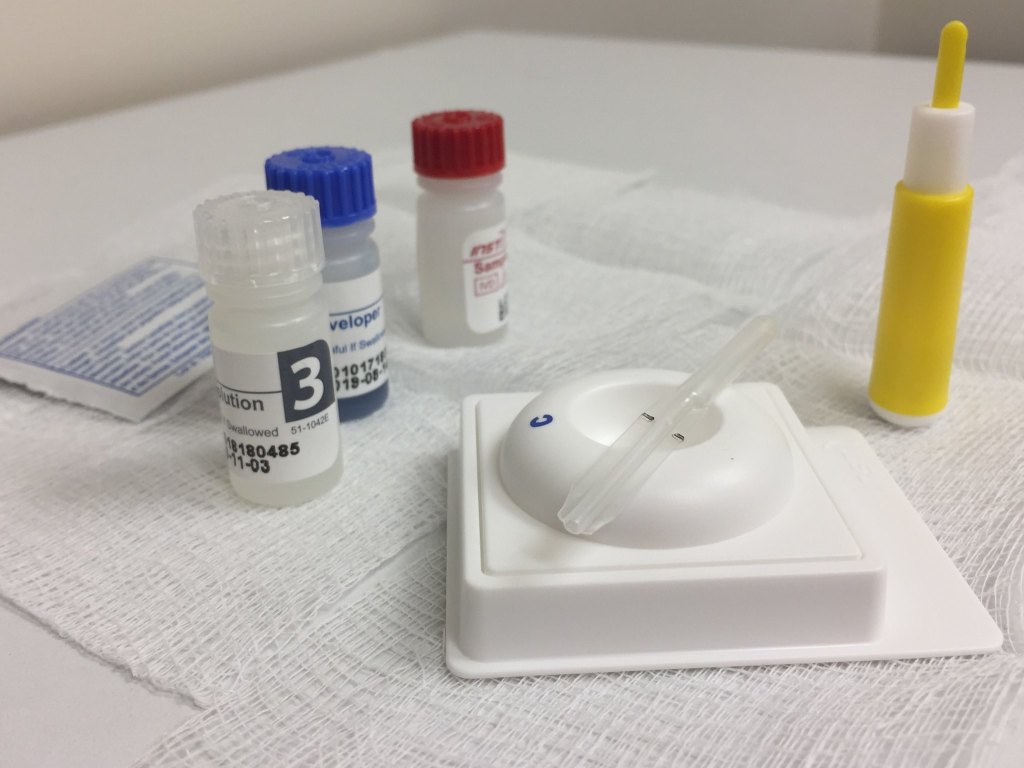
HIV self-tests are not a one-time solution. Be sure to get tested regularly.
NIAID/Flickr
March 2, 2025
By Korang Solomon King
An HIV self-test is a rapid diagnostic test that allows individuals to test themselves for HIV in the comfort of their own homes. The test typically involves a simple oral fluid or blood sample, and results are available within minutes.
It has several perks over traditional testing including:
- Increased Accessibility: Self-testing makes it easier for people to get tested, especially those
who may face barriers accessing traditional testing services, such as stigma, lack of transportation, or long wait times. - Privacy and Confidentiality: Self-testing allows individuals to maintain their privacy and confidentiality, which is particularly important for those who may not feel comfortable disclosing their HIV status or testing history.
- Speed and Convenience: Self-testing provides quick results, allowing individuals to take immediate action if they test positive.
How to Use a Self-Test Kit
Step 1: Prepare for the Test
Read the instructions carefully to ensure you understand the process. Wash your hands thoroughly with soap and water. Choose a quiet and private space to perform the test.
Step 2: Collect the Sample
Use the provided lancet to collect a small blood sample as instructed. Ensure the sample is properly transferred to the test device for accurate results.
Related Stories

Step 3: Process the Sample
Insert the sample into the test device, ensuring it is properly absorbed. Follow the kit instructions carefully to avoid errors.
Step 4: Wait for the Results
Leave the test undisturbed for the recommended time. This allows the reaction to complete, ensuring accurate results.
Step 5: Check the Results
After the waiting period, compare the test device’s result to the interpretation guide provided with the kit.
If the result is positive, HIV antibodies were detected, and confirmatory testing is recommended.
If the result is negative, no HIV antibodies were detected, but retesting after the window period is advised if recent exposure occurred.
Keep in Mind
Remember to always follow the instructions carefully and consider consulting a healthcare professional if you have any questions or concerns about HIV self-testing.
If you’re experiencing symptoms related to HIV or have been exposed to the virus, seek medical attention immediately.
Don’t rely solely on self-testing. HIV self-tests are not a one-time solution. Be sure to get tested regularly, especially if you’re sexually active or have other risk factors.
This story is a revised version of an article that appeared in Pulse MVP.
Featured
January 13
Readers Wanted.

We’re just getting started and need your feedback.
Check out our newsletter and website, then fill out our survey to help us improve!

Vital Signs.

Updates and stories directly to your inbox.

 Pulse
Pulse 