
Society //
Tackling Homelessness in Downtown East
The Downtown East Action Plan is taking direct aim at the homelessness crisis
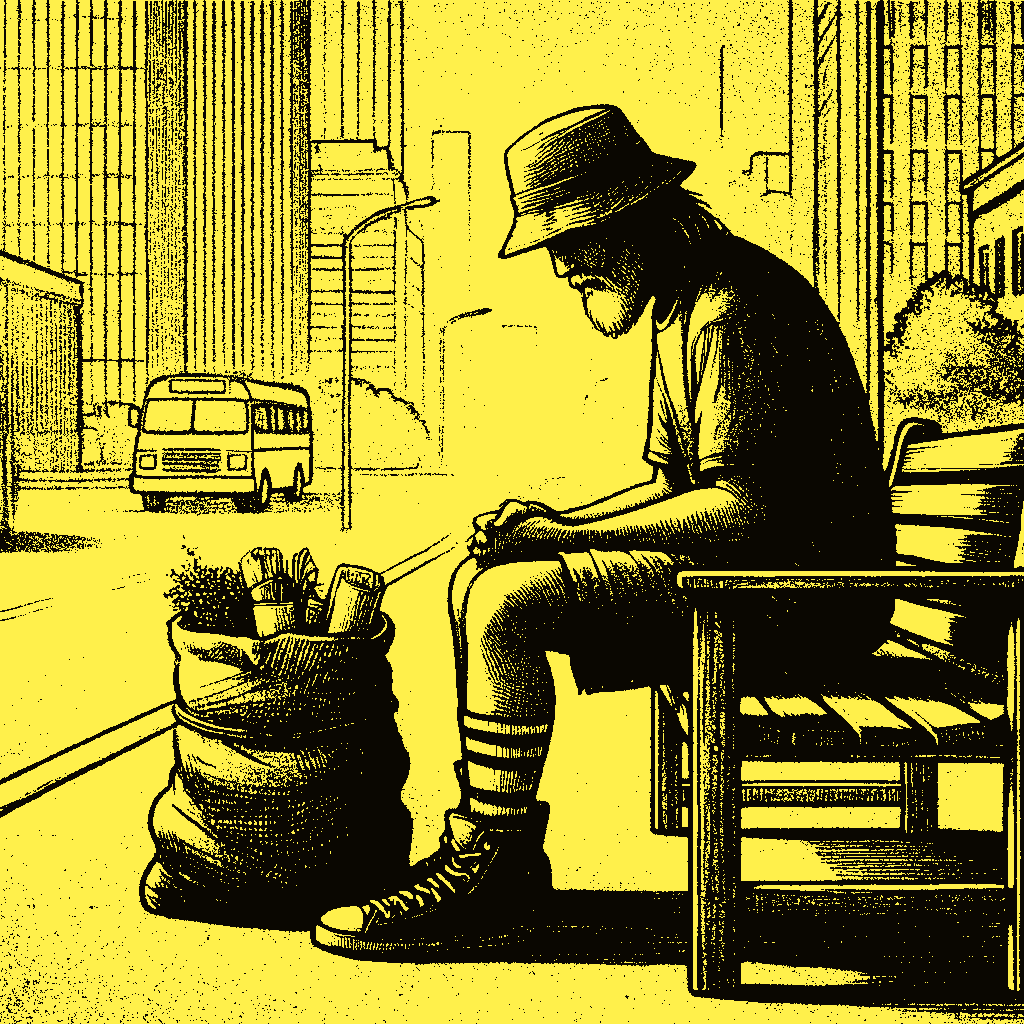
There are 23 service locations that provide crucial support to the homeless population in Downtown East.
July 8, 2024
Toronto’s Downtown East Action Plan has been revamped for 2025-2030 to tackle the persistent homelessness crisis affecting the area. With an estimated 10,964 people experiencing homelessness citywide as of April 2024, this new plan aims to provide more affordable housing, enhance support services, and foster community collaboration to address the pressing social challenges.
The Downtown East community, which spans Bloor Street to the north, Front Street to the south, Bay Street to the west, and the Don Valley Parkway to the east, is home to vibrant neighbourhoods such as Moss Park, St. James Town, and Church-Wellesley Village. Despite its cultural and economic vibrancy, the area grapples with significant social challenges, including high rates of homelessness, mental health issues, and substance abuse.
The previous 2020-2024 Downtown East Action Plan made some progress but left many issues unresolved. For example, the area has 23 service locations providing shelter and support services, with a total of 1,685 beds, but the demand far exceeds the available resources, despite approximately 8.9% of Toronto’s community service organizations being located in the Downtown East.
Complicating matters is that the area also faces a severe drug toxicity crisis. In 2023, Toronto Paramedic Services responded to 4,514 non-fatal and 288 fatal calls for suspected opioid overdoses, with Downtown Yonge East and Moss Park being the most affected areas.
However, the 2025-2030 Downtown East Action Plan has outlined several initiatives aimed at addressing these challenges, many of which are already underway. Efforts to develop more affordable housing units and convert existing structures are a key focus.
For instance, Margaret’s Housing and Community Support Services transformed a property into 35 new apartments for women experiencing homelessness in 2022. Additional harm reduction staff have also been allocated to Toronto Public Health to support vulnerable populations, aiming to reduce drug-related harm and prevent the spread of communicable diseases. The Downtown East Justice Centre has also been established to stabilize adult offenders living at the intersection of homelessness, mental health, and substance abuse.
Local organizations and community efforts are playing a crucial role in providing support to those in need. Initiatives like the Community Outreach and Support Team (COAST) and the Harm Reduction Community Care Project have provided intensive support to over 4,500 individuals, managing thousands of crisis calls and distributing harm reduction items.
Addressing homelessness in Downtown East requires a coordinated effort and sustained commitment from all sectors of the community. The Downtown East Action Plan provides a roadmap for tackling these challenges, but it will take the collective effort of residents, businesses, and government to make a lasting impact.
This story is a revised version of an article that originally appeared in Vital Signs.
For more on how we use AI, check out our Pulse Bot page.
Featured
January 13

 Pulse
Pulse 