
Justice //
The Hidden Injustice: Revisiting HIV Criminalization
More than 200 people have been convicted of HIV non-disclosure since 1989
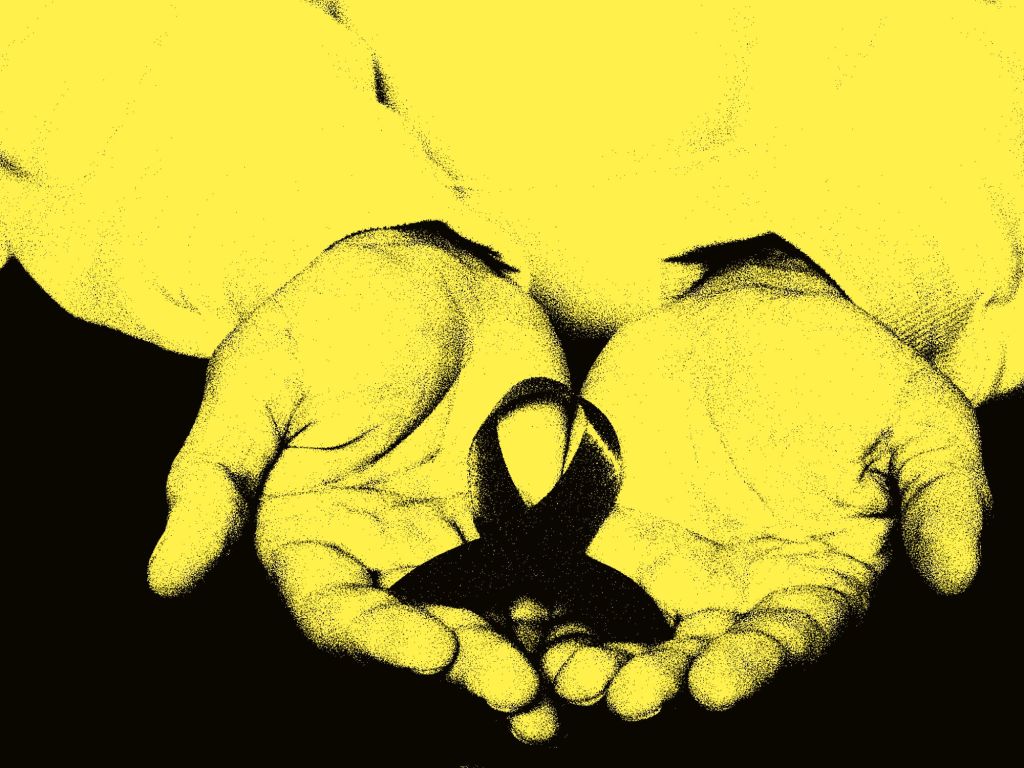
Canada is one of the few countries in the world that criminalizes HIV non-disclosure.
June 24, 2024
Despite all the progress made in fighting HIV/AIDS, the reality is that the diagnosis still brings a complex web of fear and anxiety.
There is the initial shock and fear that comes with the diagnosis, followed by the realization that, as bad as things are now, they could worsen and progress to AIDS. These fears build upon each other, creating a heavy burden. On top of this, there is the added anxiety of having to disclose your status in certain instances.
Disclosure can have its own repercussions. Some worry that disclosing will lead to abandonment by loved ones or, even worse, that their diagnosis will be used against them to control, silence, or bring them into legal trouble.
Sadly, these fears aren’t unfounded. More than 200 people were prosecuted for HIV non-disclosure between 1989 and 2020, according to the HIV Legal Network. Some of these individuals had not even transmitted the virus. Those convicted for non-disclosure are often labelled as rapists or sex offenders, a stigma that follows them for life and leads to harsh treatment in prison.
While the Supreme Court has ruled that disclosure is only legally required if there is a “realistic possibility of HIV transmission,” this legal test has been widely criticized as too broad, leaving many to fall through the cracks.
This is particularly troubling because many people don’t understand the modern science behind HIV. Things have changed significantly since the 80s and 90s. HIV and AIDS are no longer death sentences. There are treatments available that allow those with HIV to lead long, healthy lives. The principle of “undetectable = untransmittable” is well-known in some circles but remains a fact lost on many.
Considering this, some convictions for non-disclosure seem ludicrous. Unfortunately, this hasn’t stopped people from losing years of their lives in prison and having their lives virtually destroyed due to HIV stigma and discrimination.
Strangely, Canada is one of the few countries that criminalizes HIV non-disclosure. There have been small steps forward, though. In Ontario and some other provinces, there have been instructions not to prosecute HIV-positive individuals who maintain a suppressed viral load. This is a step in the right direction, but it’s not enough. Despite the push from advocates, there doesn’t appear to be any legislation aimed at changing these laws as of now.
Statistics show that Ontario accounts for the majority of criminal prosecutions related to HIV non-disclosure. Most of these prosecutions involve men in sexual encounters with women and are not for actual transmission of HIV, but for perceived exposure to the risk of transmission.
Convictions for HIV non-disclosure often result in harsher penalties, with Black and Indigenous people disproportionately represented among those prosecuted. They are more likely to be convicted and face harsher sentences compared to white individuals for the same charges.
While Black people are disproportionately affected, many feel they can’t turn to their communities for help due to homophobia and misunderstandings about HIV. Organizations like Black CAP provide crucial support locally.
For more information and support, organizations such as the HIV Legal Network, HALCO, Black CAP, APPA and ACCHO provide essential resources and assistance to those affected by these issues.
Featured

January 13

 Pulse
Pulse 