
Drug Crisis //
What B.C.’s Rollback on Drug Decriminalization Means for Toronto
B.C.’s recent decision to roll back drug decriminalization is causing waves across Canada
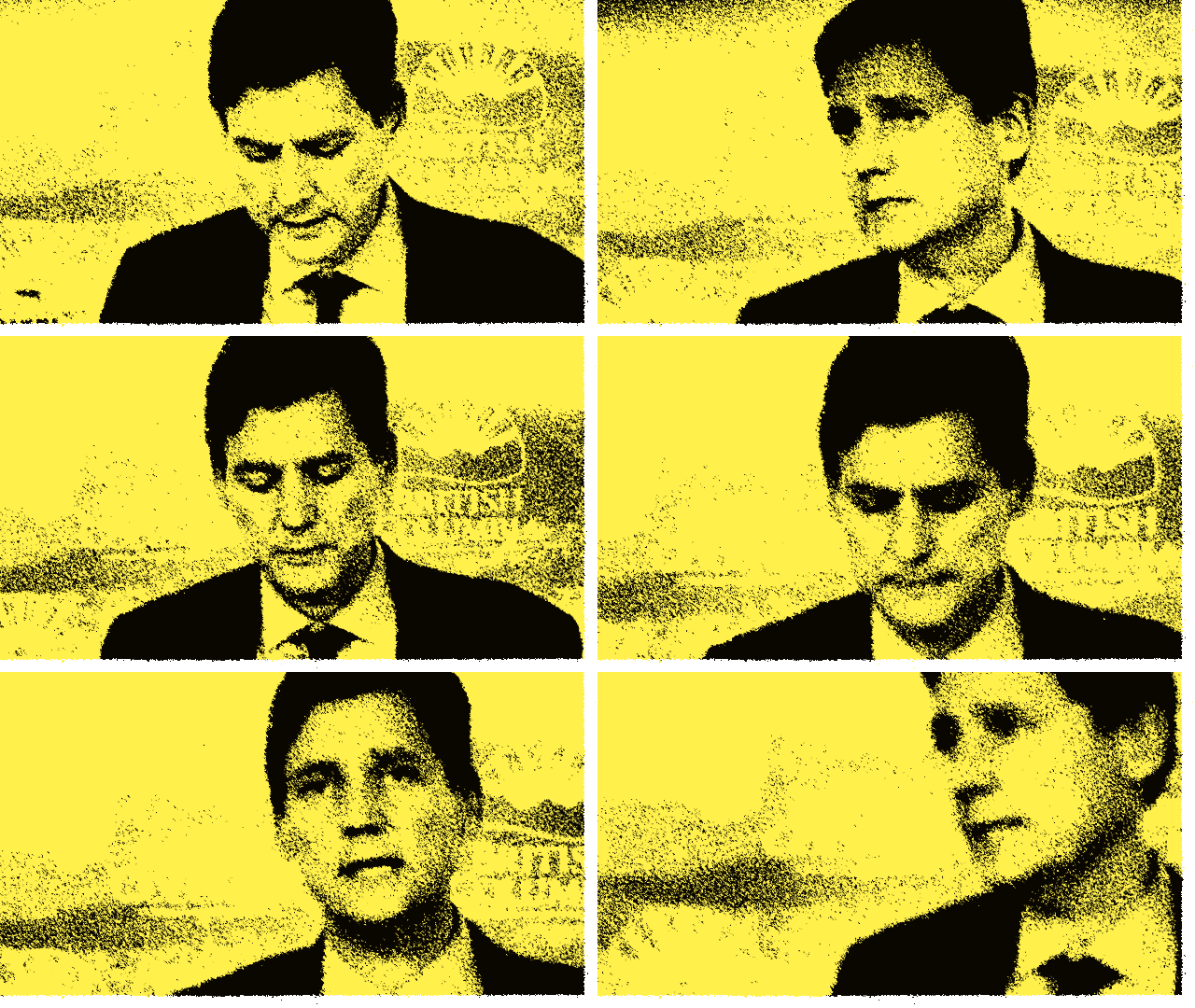
B.C.’s rollback on drug decriminalization could reshape the debate in Toronto.
May 6, 2024
B.C. announced last month that they want decriminalization rolled back in their province, but what does that mean for decriminalization efforts here in Toronto? We took a look at how the story unfolded the week after the announcement to see what we could learn.
Friday, April 26
B.C. announces significant rollbacks in its three-year pilot drug decriminalization project. It wants Health Canada to recriminalize the use of drugs in public spaces but still allow possession in private spaces.
The reaction is swift and polarized: advocacy groups like Moms Stop the Harm say the province never gave decriminalization a fair chance. Meanwhile, the B.C. Nurses Union and the Health Employees Union praise the move.
Monday, April 29
In Ottawa, Conservative Leader Pierre Poilievre gives the Liberals an earful on B.C.’s decriminalization and also calls for an emergency debate on decriminalization.
A National Post opinion piece calls B.C.’s plan disastrous and says it was never going to work, while other articles wonder what would happen to similar decriminalization plans. (Toronto made its first request back in 2022 and followed up with more info last year.)
A bit closer to home in Ontario, the premier wastes no time letting people know what he thinks of Toronto’s request: He plans to fight it. That’s on the very same day his chief medical officer of health makes headlines for recommending the province decriminalize the simple possession of unregulated drugs for personal use.
Tuesday, April 30
Things get particularly ugly during question period with the prime minister and the leader of the opposition personally attacking each other as they debate decriminalization. The debate heats to the point where Poilievre is ejected from parliament for calling the prime minister a “Wacko.” Most, if not all the Conservatives, left along with him.
Later, Toronto’s Medical Officer of Health Dr. Eileen de Villa shares a video on Twitter and YouTube to voice her thoughts on the events in B.C.
Wednesday, May 1
Poilievre sends Trudeau a letter demanding him to reject Toronto’s request for drug decriminalization.
In Toronto, de Villa expands on her earlier video by speaking to the media. She tells CityNews the city’s drug decriminalization request is about addressing public health, not legalizing public drug use or trafficking.
Meanwhile, the federal government says it needs more information from B.C. before responding to the province’s request to dial back decriminalization.
Friday, May 3
Mayor Olivia Chow sits down with CP24 Breakfast and speaks about the decriminalization controversy. She says the debate misses the more urgent needs of people with addiction issues.
While the prime minister says Toronto had no decriminalization request, so there’s nothing to consider. He also suggests the request would need Ontario’s approval… and we know where Ford stands on the issue.
That was overwhelming — a bit of a rollercoaster ride, wasn’t it? And as much as you might want to run from the drug decriminalization debate, it’s something Toronto — and Downtown East in particular — can’t afford to do. The way drugs have affected our communities is a crisis, and without tackling this head-on, more people could end up dead.
This story is a revised version of an article that originally appeared in Vital Signs.
Featured
January 13

 Pulse
Pulse 